
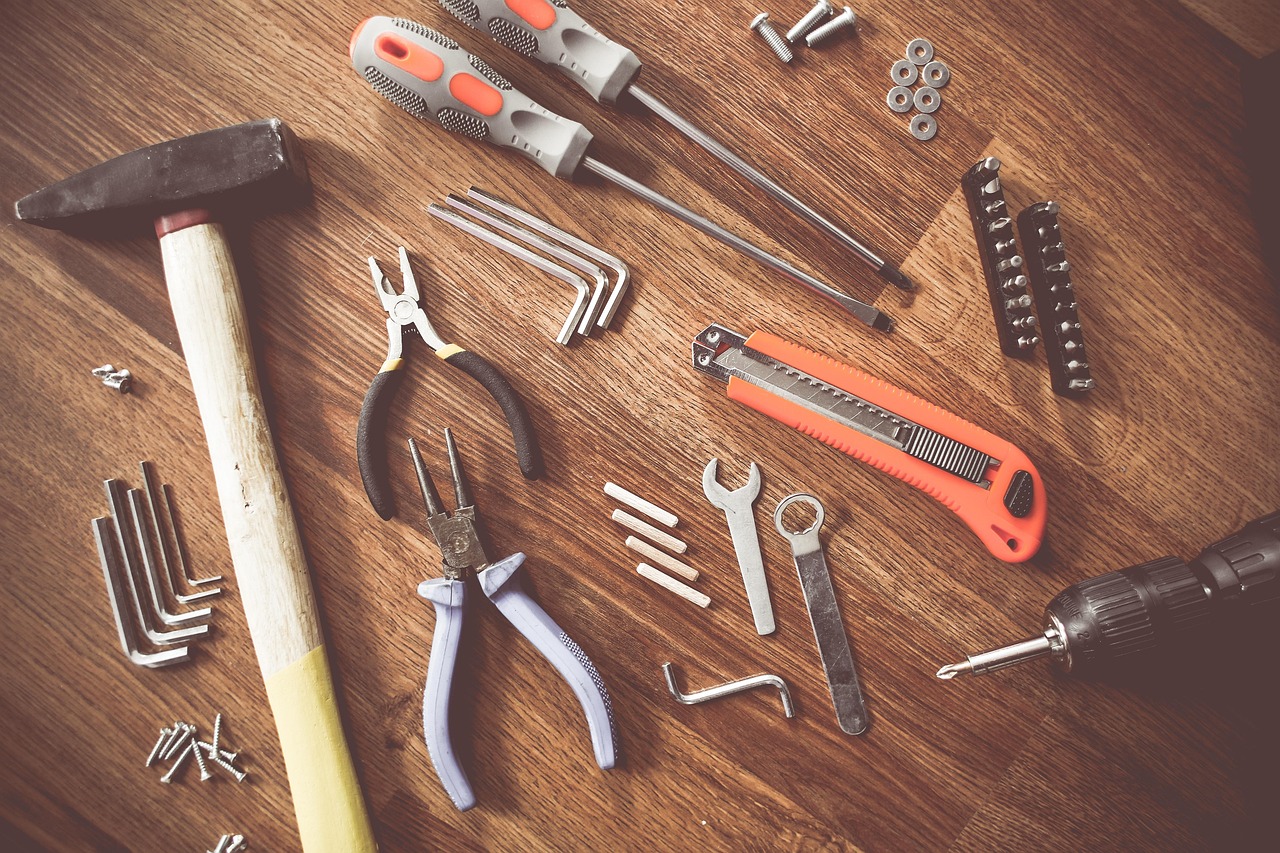
In Bemidji, some of the most reliable career momentum doesn’t come from chasing one perfect job title—it comes from staying close to the machines and buildings that keep the region running. When a hospital needs a rehab unit ready for patients, when a campus lab can’t lose power, or when a public building’s doors and HVAC systems have to work in January, someone has to troubleshoot, repair, document, and prevent breakdowns.
That “keep it working” skill set shows up under a lot of different titles—maintenance tech, facilities assistant, building engineer, industrial maintenance, equipment tech, installer, or operations support. The local advantage is that Bemidji has multiple year-round systems to support that kind of work: healthcare services, higher education, and public infrastructure—and local training options that can be stacked over time .
Why facilities-and-maintenance skills travel well in the Bemidji area
A common frustration for job seekers is feeling boxed in: “I’m a warehouse worker,” or “I’m a custodian,” or “I’m a mechanic.” In practice, many of those roles share the same core strengths employers value:
- Showing up consistently and working safely
- Noticing problems early (sounds, vibration, leaks, wear)
- Using basic tools confidently and following checklists
- Communicating clearly with a supervisor and documenting work
- Coordinating with other people while staying calm under pressure
Those strengths matter across Bemidji’s year-round employers—especially where downtime is expensive or impacts people’s health and safety.
For example, Sanford Bemidji Medical Center describes services including emergency care, surgery (inpatient/outpatient), diagnostic testing, and rehabilitation. Those are the kinds of operations that depend on dependable building systems and equipment support—even when you’re not in a clinical role (Sanford Bemidji Medical Center).
The same is true on the education side: higher education tends to bring a steady baseline of facilities, IT, dining, and building operations work that runs year-round, not just when tourism peaks .
A realistic ladder: from “helper” work to technical responsibility
Here’s what upward movement often looks like in hands-on roles—not as a promise, but as a pattern you can plan toward.
Step 1: Get close to equipment and learn the work rhythm
Entry points often include:
- Maintenance helper / facilities assistant
- Custodial roles that include light maintenance
- Delivery, stocking, or warehouse roles with equipment exposure
- Assembly or production support
Your early goal isn’t to know everything—it’s to become the person who can be trusted with keys, access, and time-sensitive tasks.
Step 2: Add a credential that matches your schedule
Bemidji is unusual in that you can often keep working while you build credentials—if you use the school tools the right way.
Northwest Technical College (NTC) provides a course schedule tool that’s searchable by semester, interest, and location, along with course descriptions and catalogs. That matters because the best training plan is the one you can actually attend consistently—around your shifts and family obligations, not in a perfect-world calendar (Northwest Technical College academics).
A practical way to use this locally:
- Look up the courses tied to the skill you want next (electrical basics, HVAC, welding, industrial safety, etc.).
- Compare the semester schedule to your current work hours.
- Build your plan one term at a time rather than overcommitting.
Step 3: Bridge from “technical” to “process” (the pay bump often hides here)
As you gain experience, employers start needing more than repairs. They need people who can:
- Track preventative maintenance
- Order parts and manage inventory
- Coordinate outside vendors
- Read manuals/spec sheets and follow compliance steps
- Train a new hire without slowing the shift down
That’s where your career can shift from “good with tools” to “trusted with systems.”
Step 4: If you want to move into engineering/leadership, stack your education strategically
If your long-term goal is supervision, project coordination, or applied engineering work, Bemidji State University describes an Applied Engineering B.A.S. pathway that builds on a two-year technical degree or diploma, with an online option for working professionals. That’s valuable locally because it gives experienced technical workers a way to keep earning while they level up academically—without pretending that school has to replace work to count as progress (BSU Applied Engineering B.A.S.).
The commute factor people underestimate: shift timing and local transit
In smaller labor markets, transportation can be a hidden career limiter—or a career enabler.
Paul Bunyan Transit describes Bemidji Dial-A-Ride as shared curb-to-curb transportation with a defined service area; other passengers may be picked up or dropped off en route. Translation: it can be a practical way to get to work, but you need to plan for variability and confirm boundaries, booking rules, and hours before you rely on it for a specific shift (Paul Bunyan Transit services).
If you’re considering roles with early starts, late ends, or on-call duties, build a transportation plan as carefully as you build your training plan. A good question to ask yourself (and an employer) is: If a shift runs 30 minutes long, what’s my backup ride?
What employers in Bemidji can do to keep these roles filled
If you hire maintenance, facilities, or operations support in the Bemidji area, two local realities are worth designing around:
- Candidates may be upgrading skills while working. Training is often stacked term-by-term through resources like NTC’s searchable catalogs and schedules, so predictable schedules and clear advancement steps can be a retention tool.
- Transportation constraints can make “great on paper” schedules unworkable. Dial-A-Ride is curb-to-curb and shared, which is helpful—but not the same as a guaranteed, fixed-time commute. Building a little flexibility into start times, or clarifying expectations around overtime and shift-overrun, can prevent avoidable turnover.
A modest next step
If you’re ready to move up in a hands-on career—whether that’s facilities, industrial maintenance, or operations support—browse current possibilities on https://bemidjijob.com/jobs/. You can also connect with Express (Express Employment Professionals of Brainerd/Grand Rapids) at call 218-WorkNow or email the office.