
The job offer is only the first calendar
In Bemidji, a strong offer can still miss the mark if the shift, the bus, and the class schedule do not line up. Beltrami County’s current profile says 84.5% of workers work in the county where they live and the mean travel time to work is 21.0 minutes, which suggests many hires are made inside a fairly tight local radius.
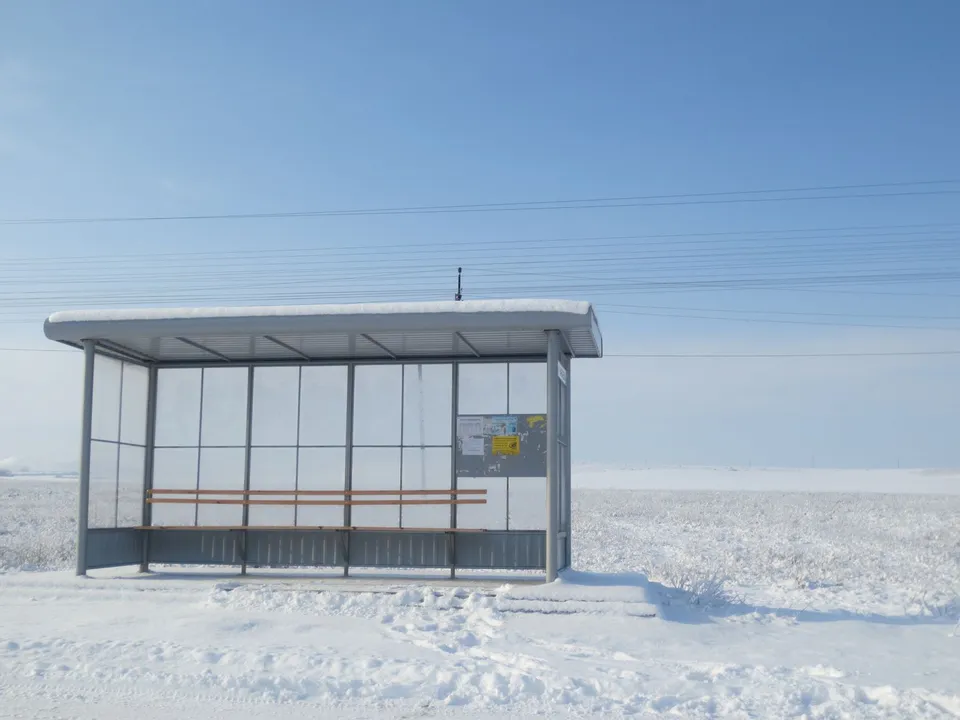
That matters because the local commute is not just about distance. Paul Bunyan Transit says Bemidji Dial-A-Ride serves a defined area within a 10-mile radius of City Hall, and reservations for Bemidji rides must be made before 4:15 p.m. while dispatch is on duty. If a shift starts early, ends late, or changes at the last minute, the transit calendar becomes part of the hiring decision. Paul Bunyan Transit services.
Why the schedule is part of the job
For employers, that transit detail is not a side note. It helps explain why a shift that looks easy to staff on paper may be harder in practice if it does not fit the local ride window. For applicants, it can be the difference between a job that feels sustainable and one that quietly becomes a problem after the first week.
That is especially true in a county where work geography is local rather than sprawling. DEED’s county profile shows most workers stay in county, and the city of Bemidji sits at the intersection of U.S. 71 and U.S. 2, which reinforces how concentrated the workday can be around the city core and nearby corridors. The practical question is not just, can I get there? It is, can I get there every day, on time, with the schedule I actually have?
Training is another calendar, not a future problem
Bemidji has more than one route into better work, and both are built around timing. Northwest Technical College says its course descriptions and catalog are there to help people check program details and credential requirements before they enroll, which makes schedule fit part of the training search instead of an afterthought. Northwest Technical College academics.
Bemidji State University also gives working adults a way to think about advancement without treating school as a full reset. Its catalog describes a broad mix of majors, certificates, and graduate programs, and the university says online programming is available where applicable. The starter facts for this article also note an Applied Engineering B.A.S. pathway that builds on a two-year technical degree or diploma and is designed with working professionals in mind. That combination points to a local truth: training is often a next step that has to fit around the shift you already have, not a detour that replaces work entirely.
What this means for hiring in Bemidji
This is where employers can make a real difference without adding much cost. The local market does not need vague flexibility slogans; it needs clear schedules, realistic start times, and onboarding that respects the commute and training realities people already live with.
Beltrami County’s workforce data show a 5.1% unemployment rate in 2025, above the state average, while DEED also reports 12,718 job vacancies in the Northwest region in 2024. That is not a simple labor shortage story. It is a market where people are available, but the best match often depends on whether the role works with their transportation, school, caregiving, and credential timeline.
Healthcare is a good example. Sanford Bemidji Medical Center says it provides inpatient and outpatient surgery, diagnostic testing, rehabilitation, and emergency care. That mix suggests different shift patterns, different support roles, and different training needs under one roof. In a setting like that, a schedule mismatch can turn into turnover even when the pay is competitive. Sanford Bemidji Medical Center.
What applicants should ask before they accept
Applicants do not need to solve the whole labor market. They just need to test whether one offer fits the rest of their life.
A useful Bemidji question set is simple:
- Does this start and end time fit the transit window if I need it?
- If I am taking classes, does the employer know when I am in school?
- If I am working toward a credential, can the schedule stay stable long enough for me to finish a term?
- If the role changes, will the employer tell me early enough to adjust?
Those are not abstract questions. In a city and county where commuting is often local, training options are nearby, and many workers are trying to move forward without leaving the labor force, the best job is often the one that respects the calendar already in your pocket.
The best local hiring move is often a better fit, not a bigger promise
That is why Bemidji employers can stand out by being specific. Say when the shift starts. Say whether the schedule changes by season. Say whether training is expected during paid time, unpaid time, or outside work. Clear answers help applicants see the role honestly and help employers keep the people they worked hard to hire.
For employers, that approach can widen the pool without lowering the bar. For applicants, it can reveal which jobs are genuinely usable instead of merely impressive on paper. In Bemidji, that practical honesty may be the fastest route from opening to retention.
If you are job hunting in the area, explore the Bemidji jobs page through Express. If you hire in the region, you can also contact Express to talk through your staffing needs.