
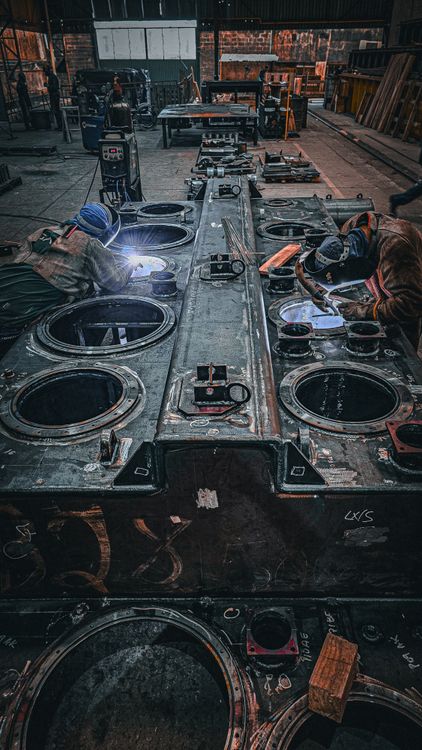
Manufacturing and skilled-trades work remains an important part of the Bemidji employment picture. The city is not a single-industry town, but its position as a northern Minnesota regional center supports building-products companies, fabrication, transportation, warehousing, construction services, equipment operations and suppliers that serve a wide rural trade area. These employers need people who can show up consistently, work safely, learn processes and contribute to production goals.
Local manufacturing opportunities
Current Express Employment Professionals postings in Bemidji show the kinds of opportunities available. Assembly roles can involve reading work instructions, using hand and power tools, inspecting finished components and working as part of a production team. Material-handler and forklift positions can involve loading and unloading, moving lumber or building materials, staging orders, maintaining inventory flow and keeping work areas organized. Lumber-yard work adds customer interaction, outdoor work and the chance to demonstrate leadership.
For workers entering manufacturing, the first step is often proving dependable attendance and a willingness to learn. Employers commonly train candidates on specific products, equipment and quality procedures. Previous experience with forklifts, industrial tools, mechanical systems or construction materials can improve a candidate’s fit, but transferable experience also matters. Farm work, automotive repair, warehouse work, construction labor and military experience can build the same habits employers value: safety awareness, mechanical aptitude, teamwork and responsibility.
Skilled trades and career growth
Skilled-trades pathways can offer further growth. Northern Minnesota employers routinely need technicians, mechanics, HVAC workers, drivers, maintenance staff, welders, equipment operators and other specialized talent. A candidate who starts in production may discover an interest in maintenance, quality, logistics or leadership. Technical education through Northwest Technical College and other regional programs can help workers build credentials while staying connected to the local labor market.
Bemidji also offers a practical commute advantage. The Census Bureau’s 2020–2024 QuickFacts data reports a mean travel time to work of about 17 minutes for Bemidji residents. For many workers, that can mean less time in traffic and easier access to industrial, commercial and institutional employers around the city.
Evaluating the right opportunity
Candidates should evaluate the full job package rather than only the hourly wage. Schedule, overtime expectations, attendance bonuses, benefits, physical demands, advancement potential and driving distance all matter. A role with consistent daytime hours, a meaningful weekly bonus or a clear path to advancement can be more valuable than a slightly higher starting wage elsewhere.
Express Employment Professionals can help candidates compare these factors and identify openings aligned with their experience. Because Express works directly with employers, the local team may know what hiring managers value most, which jobs are moving quickly and where a candidate’s skills can transfer. Review the current jobs on BemidjiJob.com, then follow the official Express link for the latest status and application details.
Workers who want to strengthen their long-term prospects should also keep a running list of the equipment, processes and certifications they learn. Forklift operation, blueprint reading, measuring tools, machine setup, OSHA-related safety practices and basic maintenance can compound into a much stronger resume over time.